OUR SERVICES

React Native: One Codebase, Two Platforms

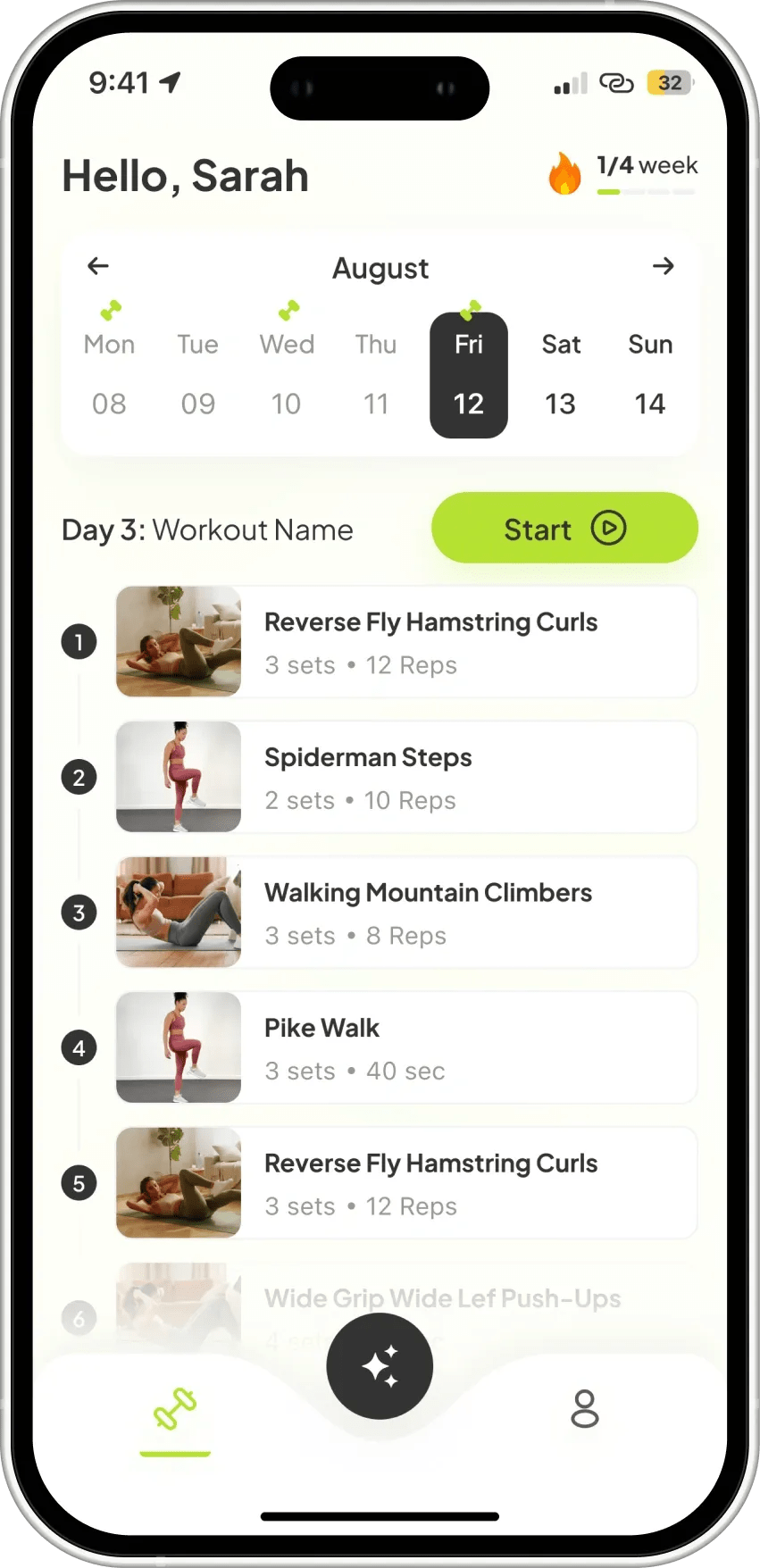
We build production-grade React Native apps that run natively on iOS and Android. Our team leverages Expo, TypeScript, and battle-tested architecture patterns to ship fast, reliable apps that feel truly native, not like a web wrapper.

Next step: get your project scoped

Tell us what you are building - what exists today, what it has to do and when it has to be live. We come back with the questions we need answered and a scoped estimate instead of a range.

Describe your project

EXPERTISE

Our Tech Stack

React Native
Expo
TypeScript
Redux Toolkit
Jest
Detox

OUR APPROACH

Flexible Engagement Models

Choose the cooperation format that best fits your business goals and development velocity.

Startups

MVP Development

Fast launch to test your idea and gather user feedback with minimal investment.

What's included

  • Core feature development
  • Basic UI/UX design
  • Stable performance

Timeline Typically 9-16 weeks

Businesses

Full App Build

Complete cycle from initial strategy and design to final launch.

What's included

  • Custom architecture & design
  • Seamless team integration
  • Production-ready release

Timeline Typically 20-40 weeks

Enterprises

Team Extension

Scale your team with expert developers to accelerate development.

What's included

  • Senior-level developers
  • Seamless team integration
  • Flexible management

Timeline Flexible / Long-term

OUR PROCESS

How We Work

We specialize in creating user-centered & innovative solutions. Delivering seamless digital experiences.

Discovery
ResearchFlow MapUser Interview
Solution
ArchitectureWireframesPrototyping
Development
Sprint CyclesCode ReviewQA Testing
Launch
DeploymentMonitoringHandoff

EXPERT INSIGHTS

Why React Native for Cross-Platform Mobile?

React Native lets JavaScript teams ship production-quality iOS and Android apps from a single codebase - without sacrificing native feel.

Go With React Native

  • JavaScript / TypeScript stack

    Leverage your existing web engineers - no Dart or Swift required to get started.

  • True native components

    UI maps to actual platform views, so scroll physics and gestures feel genuinely native.

  • New Architecture (JSI)

    The JSI bridge eliminates the old async bottleneck, delivering near-native rendering and 60 fps animations.

  • Expo ecosystem

    Expo SDK, EAS Build, and OTA updates drastically cut CI/CD and release overhead.

Go With Flutter

  • Pixel-identical rendering

    Flutter's Skia/Impeller engine draws every pixel itself - great for fully custom UIs.

  • Compiled to native ARM

    Dart AOT compilation avoids a JS runtime layer.

  • Strong Google backing

    First-class support for Google products and Material 3.

  • Single widget tree

    Consistent UI across iOS, Android, web, and desktop from one widget system.

EXPERT GUIDANCE

React Native vs Flutter

React Native

Language

TypeScript - shares skills with your web team.

UI Fidelity

Renders native platform components for authentic feel.

Ecosystem

Massive npm/Expo ecosystem with mature third-party libs.

Performance

Excellent with JSI; complex animations need Reanimated 3.

OTA Updates

Expo EAS Update ships JS changes without store review.

Best For

Teams with JS expertise, rapid MVPs, content-driven apps.

Flutter

Language

Dart - smaller talent pool, steeper onboarding.

UI Fidelity

Custom renderer - pixel-perfect but may feel slightly off-platform.

Ecosystem

Growing pub.dev; fewer battle-tested packages for edge cases.

Performance

Slightly faster cold starts; Impeller delivers smooth 120 fps.

OTA Updates

No OTA for compiled Dart code; store release required.

Best For

Apps with fully custom graphics, teams starting from scratch.

DELIVERABLES

What You Get

Cross-Platform App

Cross-Platform App

Single TypeScript codebase targeting iOS and Android with shared business logic and platform-specific UI polish.

Native Module Bridge

Native Module Bridge

Custom native modules for device APIs - camera, biometrics, Bluetooth - unavailable in the JS thread.

State Architecture

State Architecture

Scalable Redux Toolkit or Zustand setup with typed slices, middleware, and persistence.

Automated Test Suite

Automated Test Suite

Jest unit tests and Detox end-to-end flows covering critical user paths on both platforms.

Store Submission

Store Submission

Complete App Store and Google Play submission including screenshots, metadata, and compliance review.

OTA Update Pipeline

OTA Update Pipeline

Expo EAS or CodePush setup for over-the-air JS bundle updates without app store re-review.

INDUSTRIES

Tailored Solutions for Your Specific Industry

We build powerful digital experiences across various sectors, ensuring your product meets unique market demands.

(01)

Fintech

Data-driven commerce solutions that improve journeys, boost sales, and optimize operations.

(02)

Retail

Data-driven commerce solutions that improve journeys, increase sales, and optimize operations.

(03)

Healthcare

Reliable medical platforms that protect patient data, simplify workflows, and support clinical accuracy.

(04)

B2B SaaS

Product-driven platforms that enhance workflows, automate processes, and scale with your business.

CASE STUDIES

Our Recent Work

View All

START YOUR PROJECT

Ready to build with expert React Native Development team?

Expert developers ready to deliver high-quality digital products.

FAQ

Frequently Asked Questions

React Native compiles JavaScript to native UI components - actual UIKit views on iOS and Android Views on Android - rather than rendering inside a WebView. This gives you true native performance and access to platform APIs while sharing up to 90% of code between platforms. Hybrid frameworks like Ionic or Cordova run in a browser context, which limits performance and native feel.

Yes. React Native renders genuine platform UI components, so buttons, navigation gestures, and scrolling behavior follow each platform's conventions. We add platform-specific styling where needed - for example, iOS-style navigation headers vs. Android Material patterns - so users on each platform feel at home.

For the vast majority of apps - ecommerce, fintech, social, productivity - React Native performance is indistinguishable from native. The new Architecture (Fabric + JSI) eliminates the asynchronous bridge bottleneck. For apps with heavy 3D rendering or extreme animation complexity, we integrate native modules or recommend a native approach.

Absolutely. We use well-maintained community libraries (react-native-vision-camera, react-native-ble-plx) or write custom native modules in Swift/Kotlin to bridge hardware APIs into JavaScript. There is no hardware feature that is off-limits for React Native.

An MVP with authentication, core screens, and an API integration takes 6-10 weeks. A full-featured consumer app takes 3-5 months. Enterprise apps with offline sync, complex permissions, and admin portals may take 5-8 months. We provide a detailed timeline after the discovery sprint.

We default to Expo Managed or Bare Workflow because it dramatically speeds up setup and gives access to EAS Build and EAS Update. We eject to bare React Native when a third-party SDK requires Gradle or Podfile customization that Expo cannot accommodate. The choice is driven by your requirements, not preference.

We configure Expo EAS Update (or Microsoft CodePush for non-Expo projects) so you can push JavaScript and asset changes instantly without waiting for App Store review. This is ideal for hotfixes and iterating on UI after launch. Native code changes still require a store submission.

Our QA process combines Jest unit tests, React Testing Library component tests, and Detox end-to-end tests that run on physical iOS and Android devices via EAS Build. We also use BrowserStack Device Farm for broader device coverage before each release.

Yes. We connect to REST APIs, GraphQL endpoints, WebSocket servers, Firebase, Supabase, or any custom backend. We set up a typed API client layer (RTK Query or React Query) so the app handles loading states, caching, and error recovery cleanly.

Yes. We prepare all required assets - app icons, screenshots, preview videos, privacy manifests, and App Privacy declarations - and manage the submission process. We handle signing certificates, provisioning profiles, and AAB/IPA generation via EAS Build.

Yes. We regularly perform codebase audits on inherited projects, identify architectural debt, upgrade dependencies (including major Expo SDK versions), and take over ongoing development. We provide a written audit report before committing to the engagement.

A focused MVP with accounts, payments, a content layer and an admin panel is 800-1,410 hours, or $24,000-$43,000 at our rate card. A full consumer app adding chat, real-time and offline sync is 1,240-2,310 hours, or $38,000-$70,000. Pricing moves with feature depth, the number of integrations and whether design is included - each integration with someone else's system is 70-180 hours. Reproduce it at kultrix.com/cost-calculator.