HIRE WITH US

Hire Figma Designers - Component Systems & Prototyping

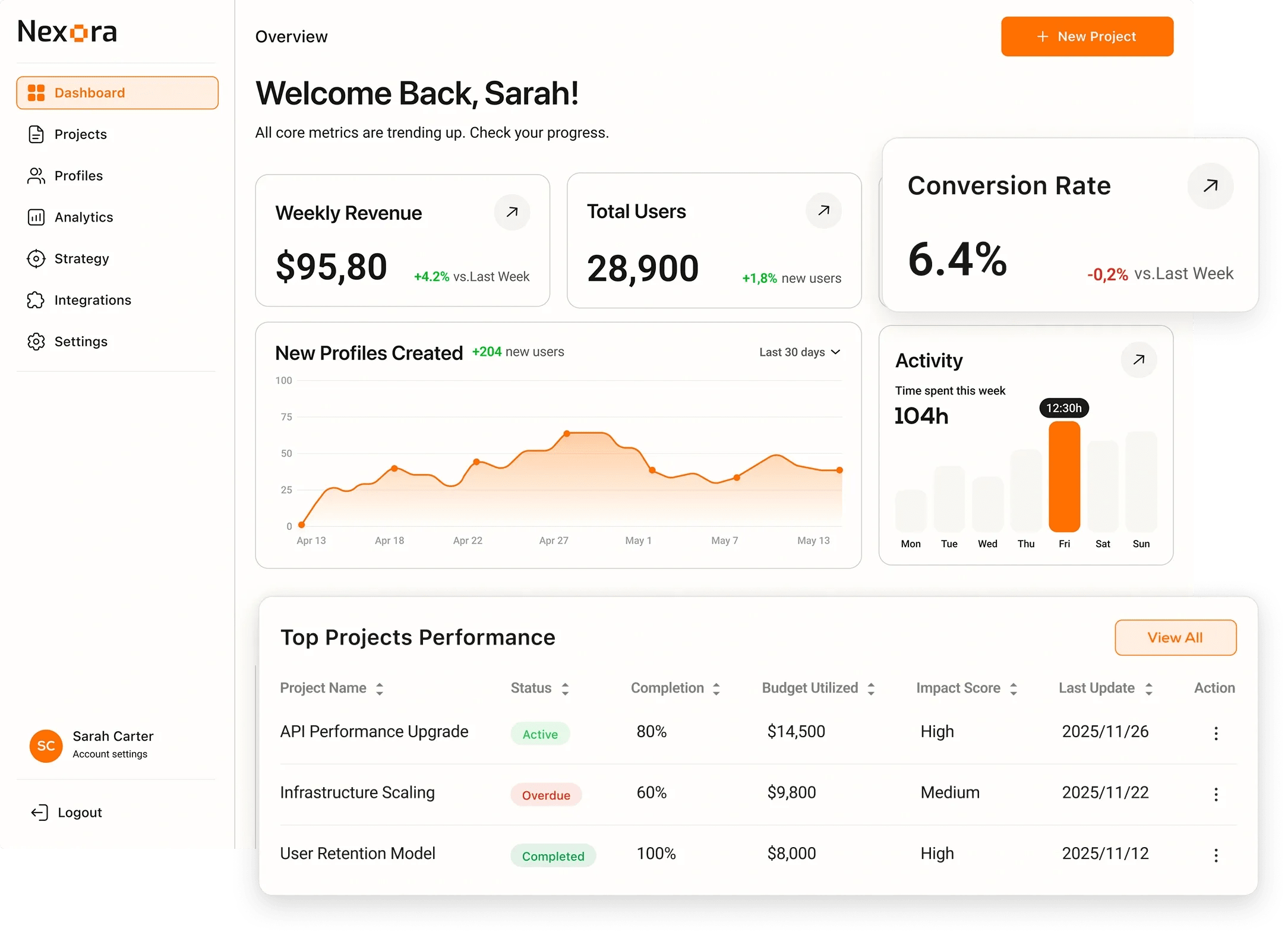
Kultrix Figma designers do not just make screens look good, they build the structured, scalable design systems that let product teams move fast without breaking consistency.

Start in 1-2 Weeks

Start in 1-2 Weeks

Senior Engineers Only

Senior Engineers Only

7+ Years Experience

7+ Years Experience

NDA

NDA

EXPERTISE

Our Tech Stack

Figma
Auto Layout
Variants
Prototyping
Variables
FigJam

WHAT WE DO

Our Figma Designer Expertise

Design System Setup

Design System Setup

We build structured Figma design systems, base component libraries, typography and colour token foundations, spacing scales, and documentation that allows multiple designers to work consistently across a product.

Component Libraries

Component Libraries

We design fully articulated component libraries with Auto Layout, nested components, property variants, and boolean overrides, built to match the final coded component API as closely as possible.

Prototyping

Prototyping

We build high-fidelity interactive prototypes with Figma's smart animate, component swapping, and overlay interactions, suitable for user testing, stakeholder presentations, and developer specification.

Developer Handoff

Developer Handoff

We structure Figma files for clean developer handoff, organised layers, consistent naming, annotated specs, and Dev Mode-ready frames that give engineers the information they need without back-and-forth.

UI Screen Design

UI Screen Design

We design complete application UI screens, responsive layouts at mobile, tablet, and desktop breakpoints, all built with Auto Layout so designs adapt correctly when content changes.

Design Audits

Design Audits

We audit existing Figma files for inconsistency, detached components, missing states, and accessibility issues, then restructure files and component libraries to restore order and scalability.

WHO THIS IS FOR

Who This Is For

Whether you are a startup or enterprise, we have the right engagement for you.

Startup MVP icon

Startup MVP

Fast-track your MVP with senior talent. Launch on time and within budget.

Existing app upgrade icon

Existing App Upgrade

Improve performance, UX, and features of your existing product with expert help.

Scale up delivery icon

Scale Up Delivery

Augment your team with senior specialists to accelerate feature delivery.

OUR APPROACH

Flexible Engagement Models

Choose the cooperation format that best fits your business goals and development velocity.

Startups

MVP Development

Fast launch to test your idea and gather user feedback with minimal investment.

What's included

  • Core feature development
  • Basic UI/UX design
  • Stable performance

Timeline Typically 9-16 weeks

Businesses

Full App Build

Complete cycle from initial strategy and design to final launch.

What's included

  • Custom architecture & design
  • Seamless team integration
  • Production-ready release

Timeline Typically 20-40 weeks

Enterprises

Team Extension

Scale your team with expert developers to accelerate development.

What's included

  • Senior-level developers
  • Seamless team integration
  • Flexible management

Timeline Flexible / Long-term

OUR HIRING PROCESS

How To Hire Our Developers

Share Your Vision

01

Tell us about your project goals, timeline, and team needs. We'll set up a free consultation to dive deeper into your requirements.

We'll Guide You

02

Based on your project, we recommend the ideal team structure, engagement model, and technology approach - tailored to your goals and budget.

Meet Your Future Team

03

We handpick the best-fit professionals from our senior talent pool. You'll meet them, review their experience, and give the green light.

Let's Get Started

04

Your team onboards within 48 hours. We align on workflows, set up communication, and start delivering results from week one.

We Grow With You

05

As your project evolves, we scale your team, add new specialists, or adjust scope - all within your existing partnership.

INDUSTRIES

Industries We Support

Our Figma Designer professionals build solutions across various sectors.

(01)

Fintech

Data-driven commerce solutions that improve journeys, boost sales, and optimize operations.

Fintech industry icon
(02)

Retail

Data-driven commerce solutions that improve journeys, increase sales, and optimize operations.

Retail industry icon
(03)

Healthcare

Reliable medical platforms that protect patient data, simplify workflows, and support clinical accuracy.

Healthcare industry icon
(04)

B2B SaaS

Product-driven platforms that enhance workflows, automate processes, and scale with your business.

B2B SaaS industry icon
start with us
start with us
start with us
start with us
start with us

start with us

Ready to hire a Figma Designer?

Expert professionals ready to join your team and deliver results.

CASE STUDIES

Our Recent Work

View All

Testimonials

What Our Clients Say

What impressed us most was how Kultrix handled the full stack - frontend, backend, and mobile - with one cohesive team. Communication was clear, delivery was predictable, and the final product exceeded what we initially scoped.

Frank W.

Co-CEO

Kultrix built both our web platform and mobile app from scratch. Their team understood the complexity of our industrial workflows and translated them into clean, intuitive interfaces. We launched on time and our operators adopted the tools immediately.

Dinant V.

Co-CEO

Kultrix handled everything for us - landing page, dashboard, mobile app, and even a Chrome extension. Having one team own the entire product surface meant everything felt connected and consistent. They shipped fast and the quality speaks for itself.

Timur G.

CEO, Ping Proxies

Kultrix has been our go-to partner for multiple projects - from marketing websites to full mobile applications and backend systems. They scale up when we need speed and maintain consistency across every project. Reliable, fast, and technically strong.

Musa S.

CEO, Volume Apps

Working with Kultrix on our mobile app and backend was seamless. They brought strong product thinking to every sprint, not just code. When priorities shifted, they adapted quickly without losing momentum. Exactly the kind of partner a product team needs.

Taj S.

Product Lead, Pelago

We needed a team that could handle mobile development, server infrastructure, and AI features all at once. Kultrix delivered on all three fronts. Our fitness platform went from concept to production in under four months with zero compromises on quality.

Laurent D.

CEO, Fitblast

start with us

Let's bring your ideas to life!

Looking for a job, not a contractor? See open roles

By submitting, you agree to our Privacy Policy.

Looking for a job at Kultrix? Apply through open roles so your CV reaches the people who hire.

FAQ

Frequently Asked Questions

Figma mastery goes well beyond knowing the tool - it means understanding how to structure components for scalability, using Auto Layout to build designs that genuinely respond to content, applying Figma Variables for multi-theme design systems, and constructing files that developers can navigate without a guided tour. A Kultrix Figma designer produces files that are assets, not just pictures of a product.

Standard placement is 48 hours from contract signing. Figma design is a well-staffed area of our team. For designers with specific domain experience - fintech dashboards, healthcare applications, complex B2B SaaS - 48 to 72 hours is typical as we match for domain fit.

Yes. Building a design system from scratch - token foundations, base component library, documentation - is one of our most common Figma engagements. We establish the token architecture first (using Figma Variables for colour, typography, and spacing), then build components from the ground up so every element references tokens rather than hardcoded values. This makes theming and global style changes trivial.

We follow a consistent file structure: a master library file for all components and tokens, separate design files per product area that use the library, and clear page organisation with covers, annotations, and specification frames. Layers are named semantically, groups are replaced with frames where possible, and Dev Mode annotations cover spacing, typography, and interaction states. Developers should be able to implement from the file without a design walkthrough.

Yes. Joining and improving an existing Figma file is a common engagement type. We start with an audit - identifying detached components, inconsistent spacing, missing states, and structural issues - then propose and execute a restructure plan. We work incrementally so design work continues during the cleanup rather than stopping for a big-bang refactor.

Yes. Accessibility is considered at the design stage, not retrofitted by developers. Our designers verify colour contrast ratios against WCAG 2.2 AA standards (4.5:1 for body text, 3:1 for large text), design focus states for all interactive components, annotate reading order for screen reader flows, and specify ARIA roles in handoff annotations where relevant.

Yes. High-fidelity interactive prototypes are a standard deliverable for user testing and stakeholder review. We use Figma's smart animate for smooth component transitions, overlay interactions for modals and drawers, conditional variable-based state changes, and prototype flows that cover the full user journey from first screen to task completion.

Responsive design in Figma is achieved through disciplined Auto Layout configuration - fill, hug, and fixed sizing applied correctly at every nesting level, constraints set for frame-relative positioning, and component variants for each major breakpoint where the layout changes fundamentally rather than just scales. We design for mobile, tablet, and desktop breakpoints and document the behaviour between them.

Yes. Figma Variables (the platform's native token system) is a core competency. We configure colour, number, string, and boolean variables, establish mode collections for light and dark themes, apply variable references through component layers rather than hardcoded values, and structure the variable hierarchy to match the coded token architecture. This alignment dramatically reduces design-to-development drift.

Yes - close collaboration with engineering is a core part of how Kultrix designers work. They attend developer reviews, flag implementation complexity early, adjust component APIs based on engineering feedback, and use Figma Dev Mode annotations to communicate exactly what developers need. The goal is to reduce back-and-forth, not create handoff waterfall.

The minimum engagement is one month. Figma design engagements range from intensive two-week audits and restructures to ongoing embedded designer roles that last months or years. Most product companies benefit from a standing designer on retainer to maintain the design system as the product evolves.

Fixed-price engagements are available for well-scoped deliverables - a design system foundation, a set of application screens, a prototype. Monthly retainer and time-and-materials models suit ongoing product design work. All models include a dedicated account manager and clear deliverable tracking.